On this page
Pricing isn’t a simple decision; it’s a critical component of a larger commercial strategy. While the initial price tag is important, true revenue optimization comes from a holistic approach that extends far beyond launch. A well-executed commercial strategy can mean the difference between financial health for you and your team, or the stress and uncertainty of racing against a dwindling runway for your next game.
 (enlarge)
This guide isn’t here to provide easy answers. It seeks to push the boundaries of the pricing question and highlight some of the nuance and complexity that we at IndieBI believe you should really consider to maximize your odds of commercial success. A longer and unabridged version of this article is available here. Head on there if you’re looking for more detail, or keep reading for the cliffs notes!
1. The foundation: Your store pages
Before anyone even properly considers your price, they see your store page. Your price doesn’t exist in a vacuum; it’s part of a story told through your key art, screenshots, trailers, and copy. A great store page will inevitably improve your sales, and a bad one can sink your game regardless of your price.
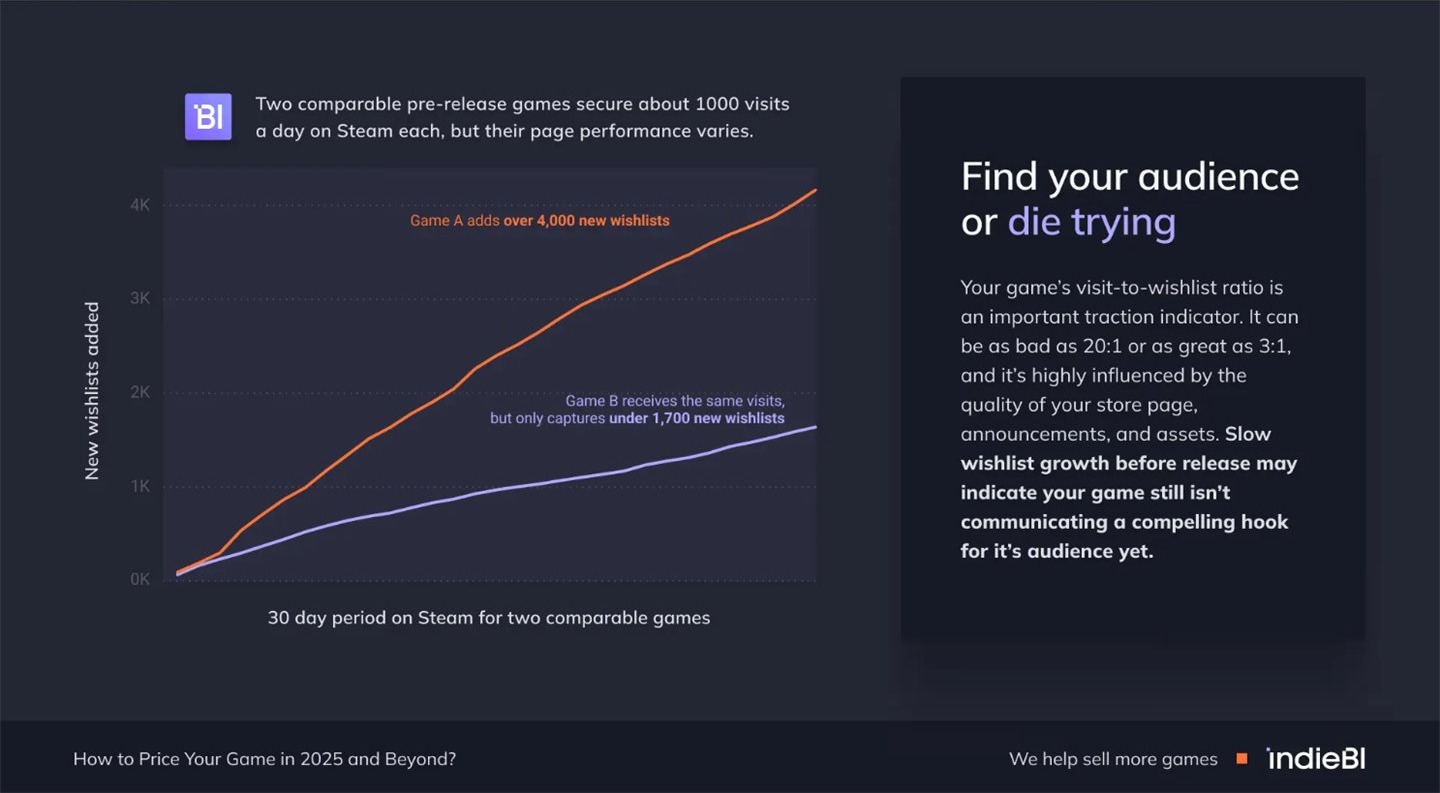
Understand your audience: Ask yourself: Who is this game for? What need or desire does it fulfill? Understanding your core audience allows you to tailor everything (from your art assets to your messaging and your price) to highlight the most compelling “hooks” of your game. A store page that fails to communicate a distinctive identity won’t stand out, and your price won’t matter if your target players don’t understand why they should spend the time to play your game, let alone money.
 (enlarge)
Your intuition about this is almost certainly correct, but work through it and write it down anyway. You’ll find yourself struggling less when talking, writing, or making trailers about your game. And go read Victoria Tran’s book: a precious rare crash course on nurturing audiences and communities by a genuine practitioner (and an overall excellent human bean too).
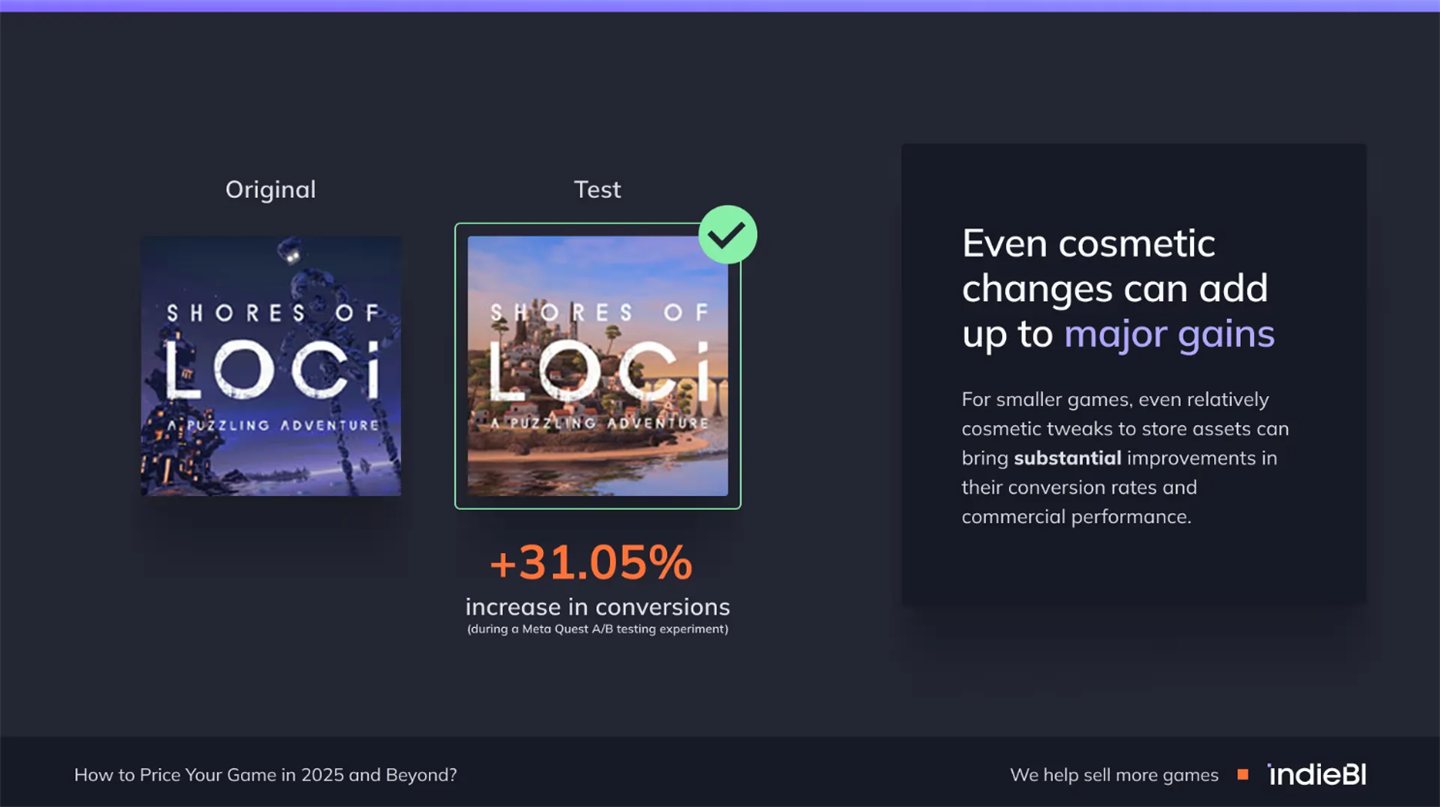
Invest in store assets: Your key art, screenshots, and trailers are the packaging for your product. They have one job: get customers excited. A low-quality or confusing trailer can lose a potential buyer before they ever consider the price. While your assets must accurately reflect the game to avoid disappointing your customers, you have full control over what you highlight to captivate your audience. And they can matter a lot: case studies, like one from Meta’s Quest store, show that even simple cosmetic tweaks to store assets can boost conversions by wide margins.
 (enlarge)
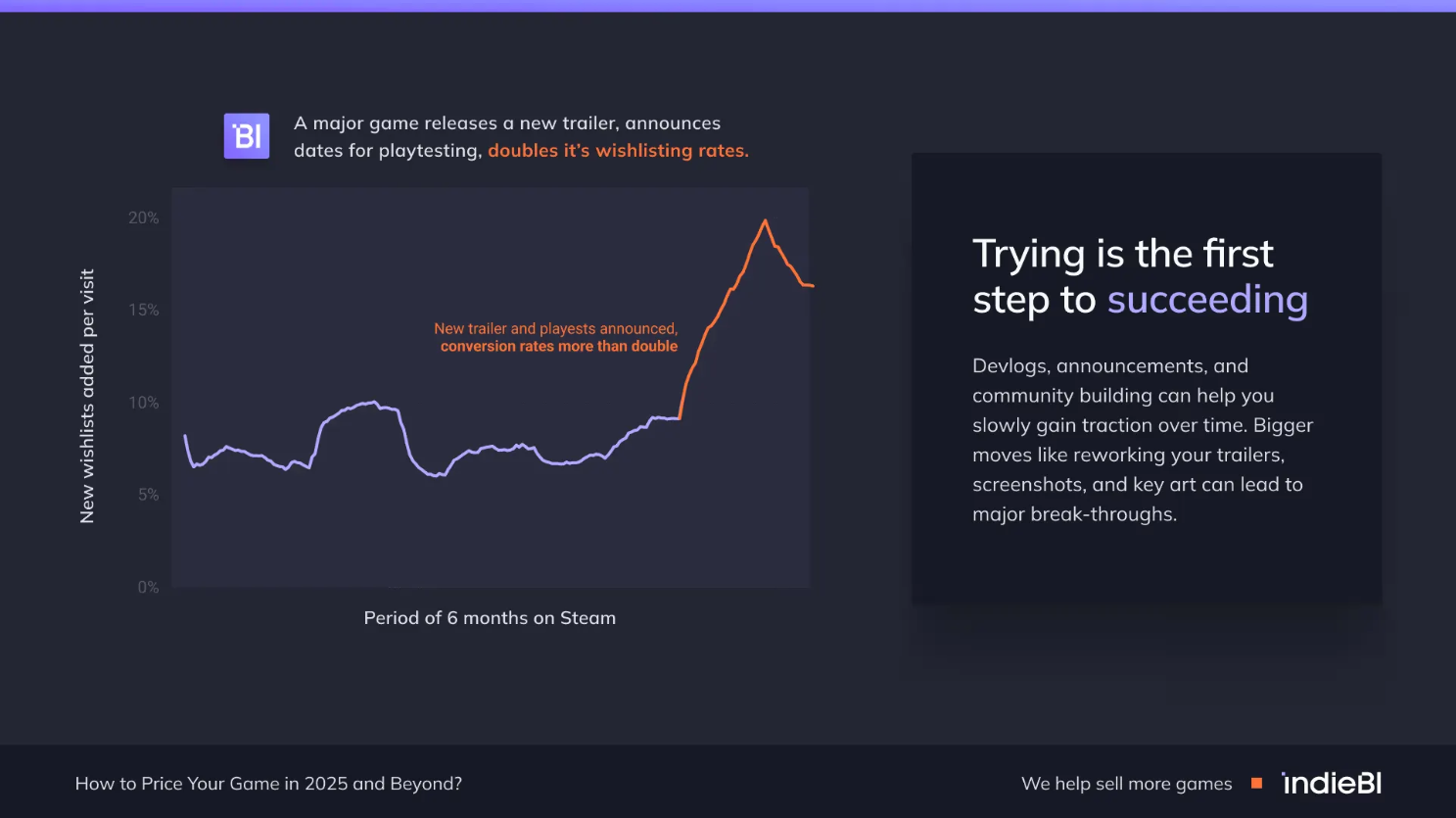
Iterate and improve: Don’t settle for your first attempt if you can afford it. Platforms like Steam don’t offer easy A/B testing, but you can still refine your assets and messaging periodically or with every demo, playtest, and promotion. Track your click-through and wishlisting rates over time to see what’s working and what’s not. You’ll quickly find that you still have a lot of agency, even if your initial announcement missed the mark.
 (enlarge)
Ultimately, your price is irrelevant if your game doesn’t grab attention and make customers care. A perfectly priced game can still fail if its presentation is poor, and for most games the store pages are de facto the only presentation they have for most of their customers.
2. The price itself: Key considerations
Once you have a solid understanding of your audience and a compelling store page, you’re probably as ready as you’ll ever be to decide on your initial price. This will inevitably be a judgement call, but consider the factors below to make an informed decision. No single one of them is universally deciding, but putting them all in front of you will help you feel more confident about your choice:
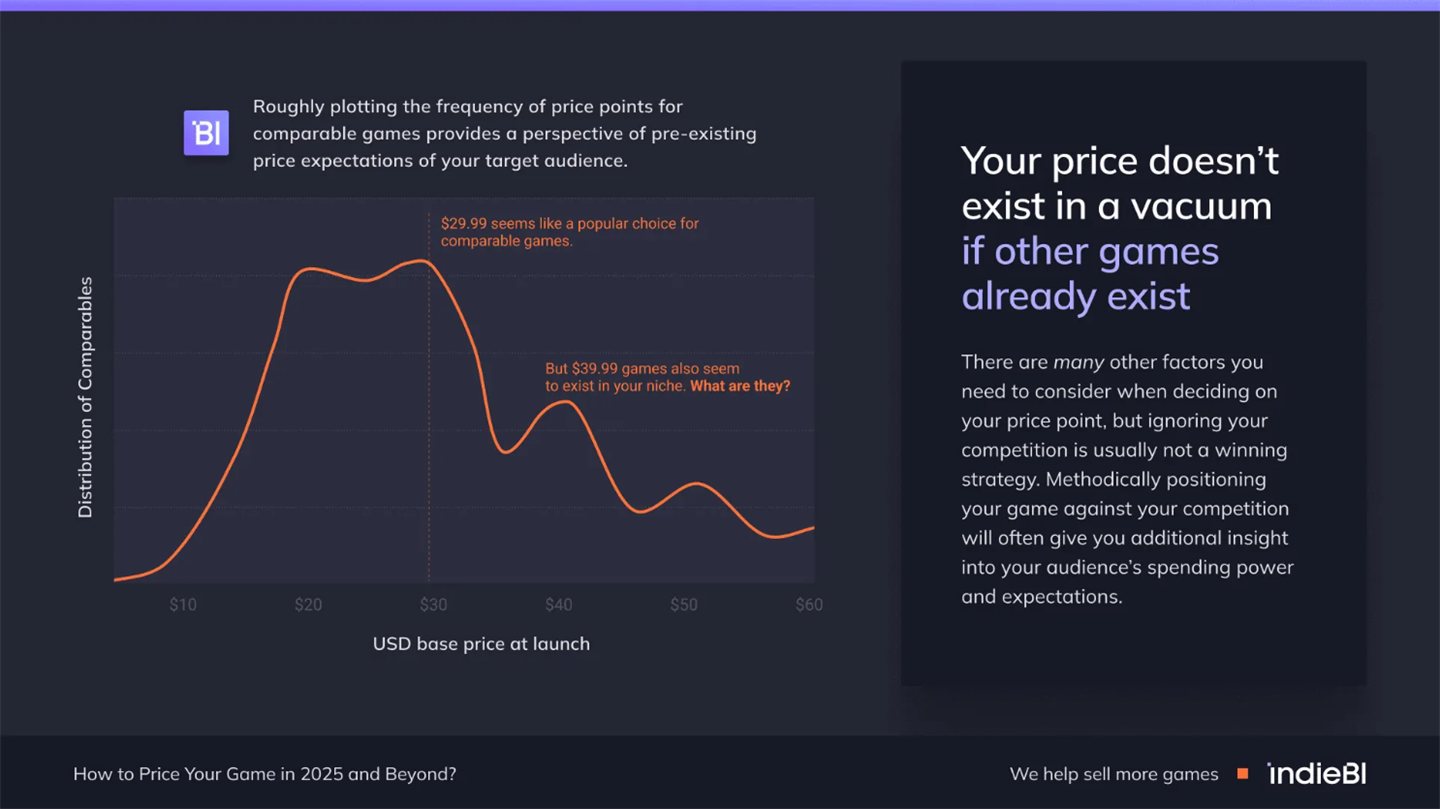
Competitive landscape: Research what other games in your niche are doing. Create a list of comparables: games that your target audience also buys and plays. Look at their prices, review scores, playtime, and discounting history. This homework will help you understand the pricing expectations within your niche, and spot patterns and outliers.
Production values and playtime: Customers will naturally expect a higher price for games that look expensive or demonstrably took more effort to create. Your game will inevitably be marked against its perceived production values and playtime. While a short, exceptional experience can sometimes justify a higher price, a short game that isn’t particularly unique may be better off with a lower price to avoid disappointed reviews and refund requests.
Network effects and upsell potential: Does your game benefit from a large player base? If you have DLC, in-game purchases, or a multiplayer focus, you might prioritize a lower initial price point to drive unit sales. This can create a larger customer base for future revenue streams and more rapid community growth.
Traction and demand: How much pre-release demand have you generated? Active community members and recent wishlists are stronger indicators of demand than older, passive ones. If your game is struggling to gain or maintain traction before launch, a high price tag at release might kill whatever momentum you still had.
Ambition: However, if demand is strong, don’t be afraid to price your game to reflect its value, even if you’re pricing it higher than other games in your niche. A bold price can signal that your game is a premium experience and prevent you from undercutting your own potential launch revenue.
Find time to be diligent about this and think it through. Consider if there’s anything else, especially anything specific to just your game or just your team.
 (enlarge)
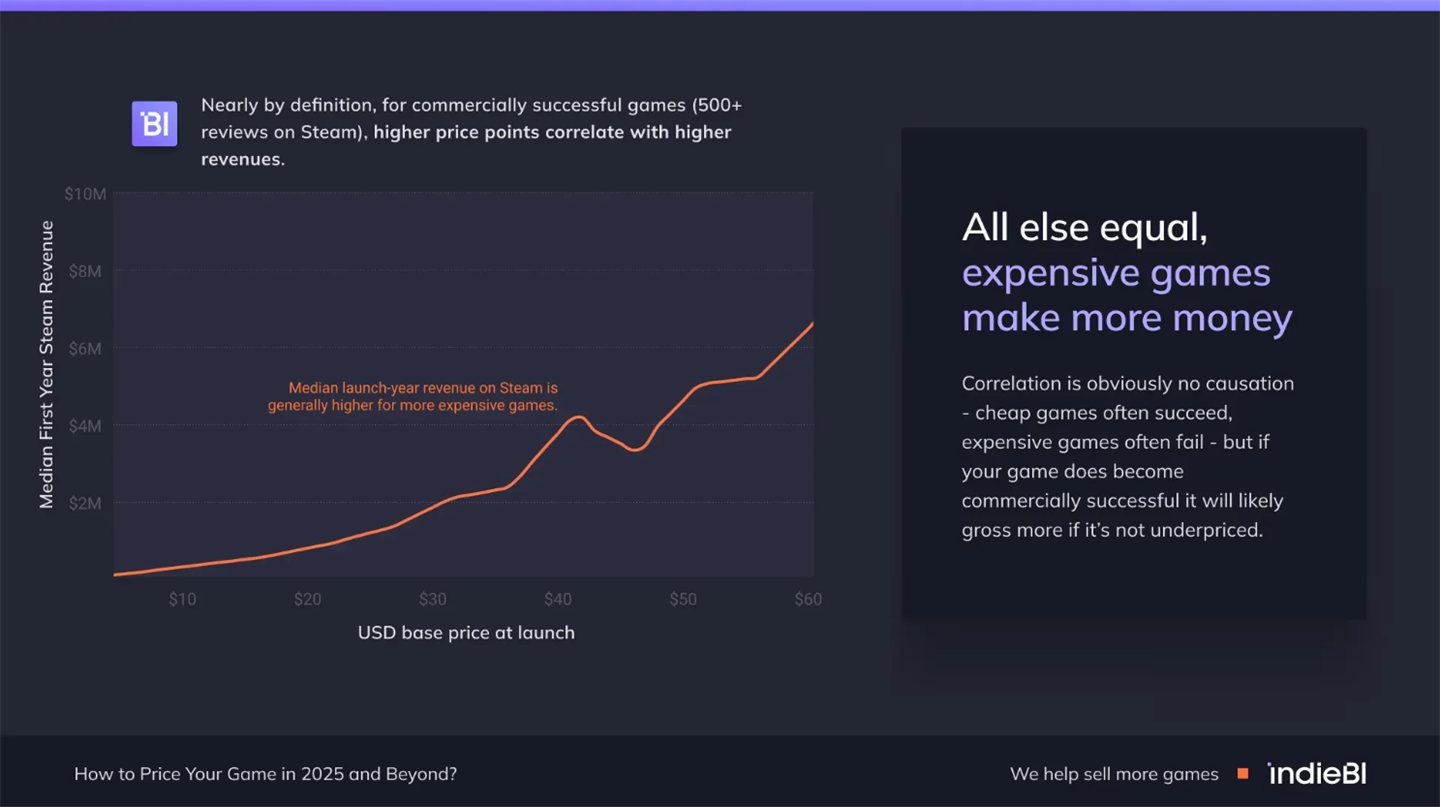
And if the decision still isn’t clear, consider defaulting to the highest price point you haven’t ruled out. You can do a lot to tweak your price down with deeper discounts, but you can’t recapture revenue lost if you underpriced your game from the get-go.
3. Post-launch: The work never stops
Your initial price is just the beginning. For your game to reach its full commercial potential, it must be supported by continuous, active management.
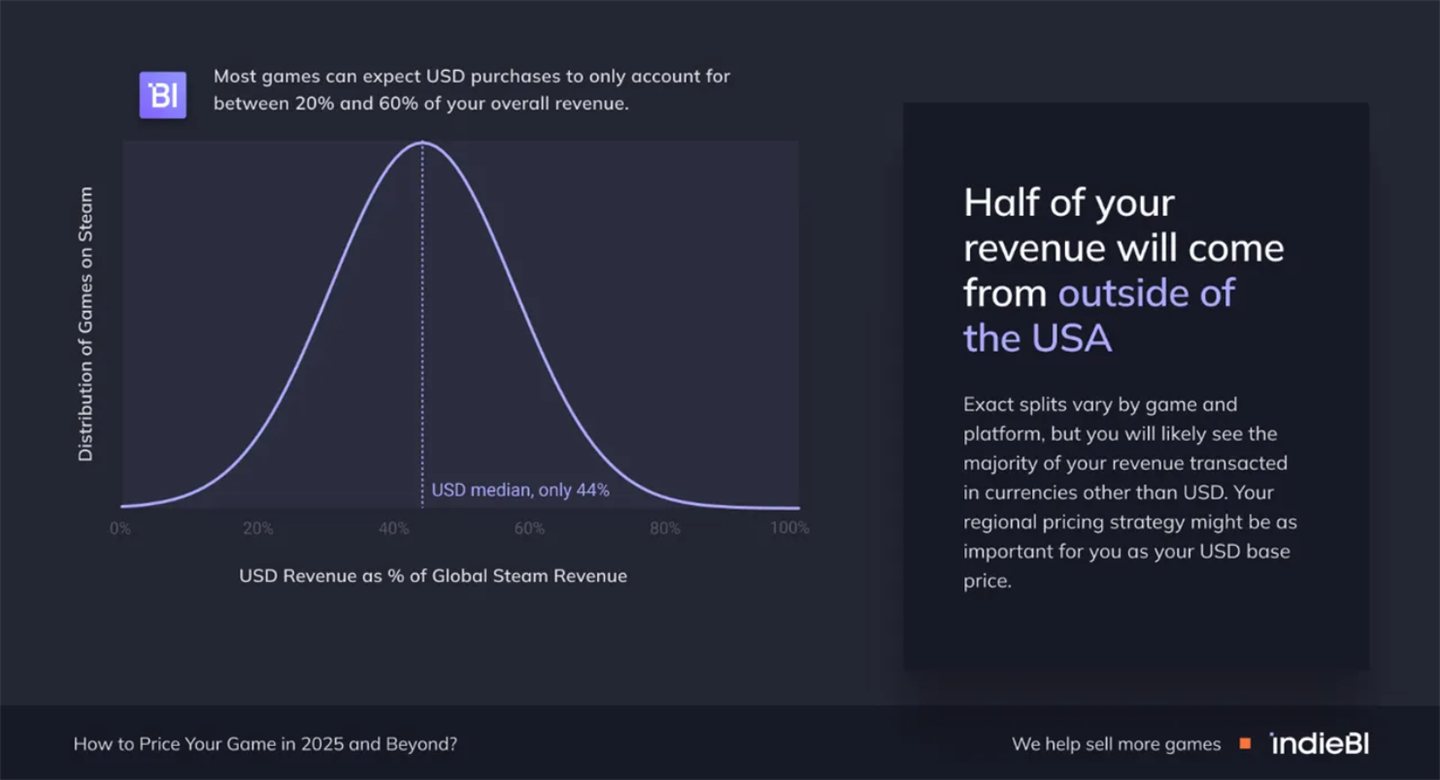
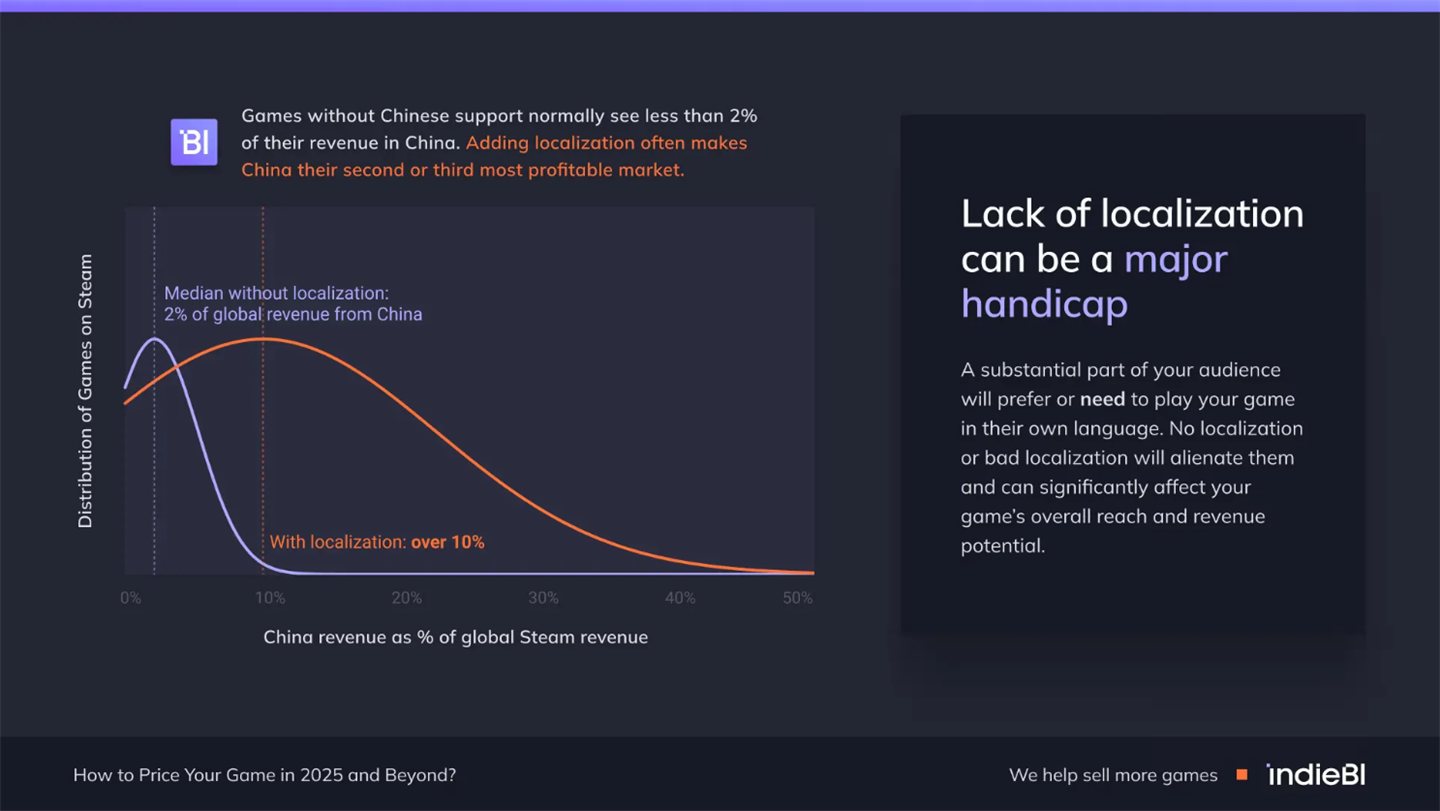
Localize and regionalize: Your USD price accounts for only a portion of your global revenue. Most of your revenue will likely come from countries other than the US.
 (enlarge)
Manually review and adjust your regional pricing, as most platform defaults are out of date and don’t account for purchasing power shifts. Between correcting this and localizing your store pages and assets, you can not only stop alienating major parts of your audience but also win substantial revenue gains.
 (enlarge)
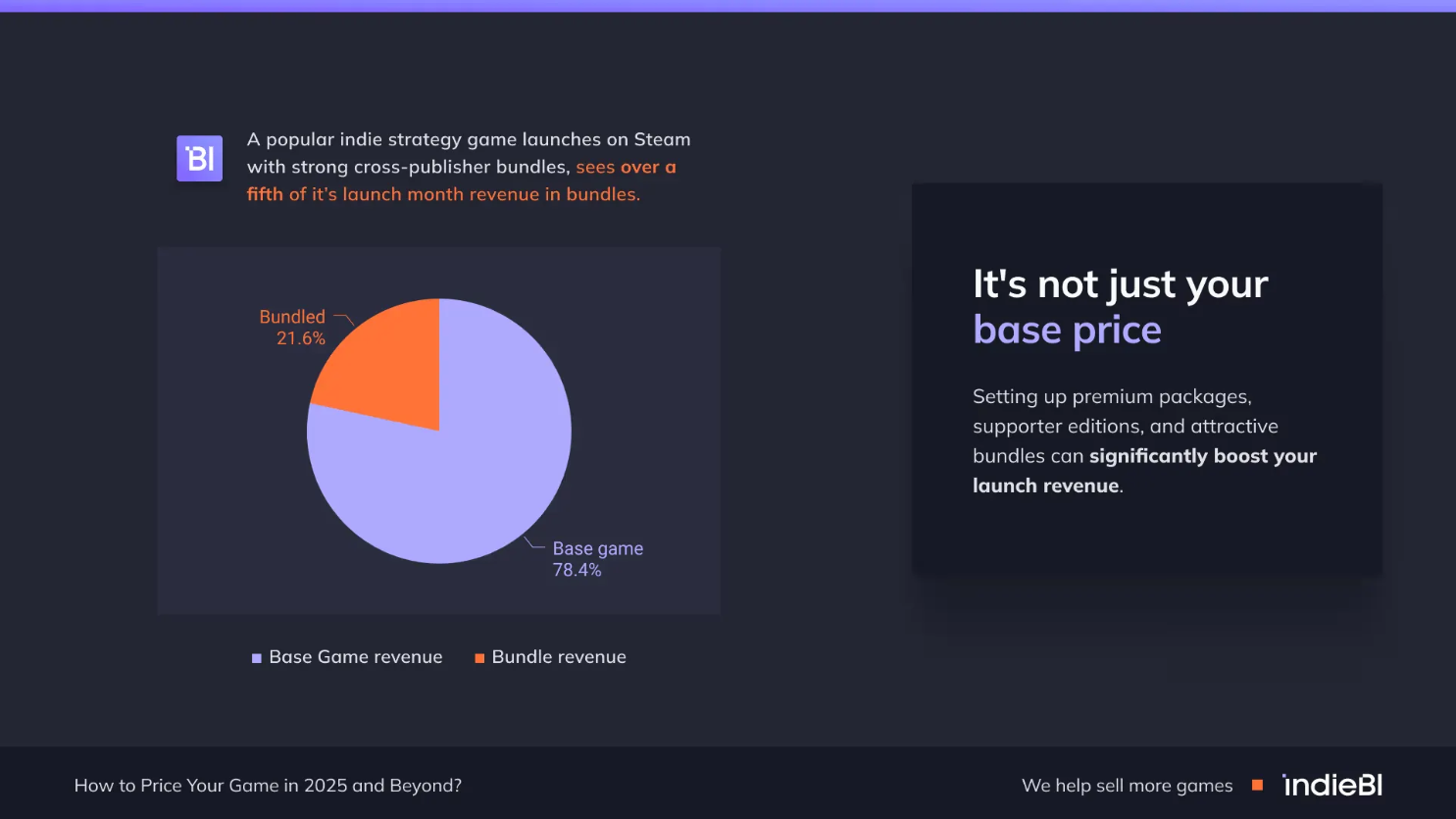
Create more price points: Use bundles and deluxe editions to capture a wider range of customers. Even a simple “supporter bundle” with a sound track or a digital artbook can provide a way for some of your most dedicated fans to spend more, while premium editions and promotional bundles with other games can attract new, price-sensitive players and boost your revenue by 20% or more.
 (enlarge)
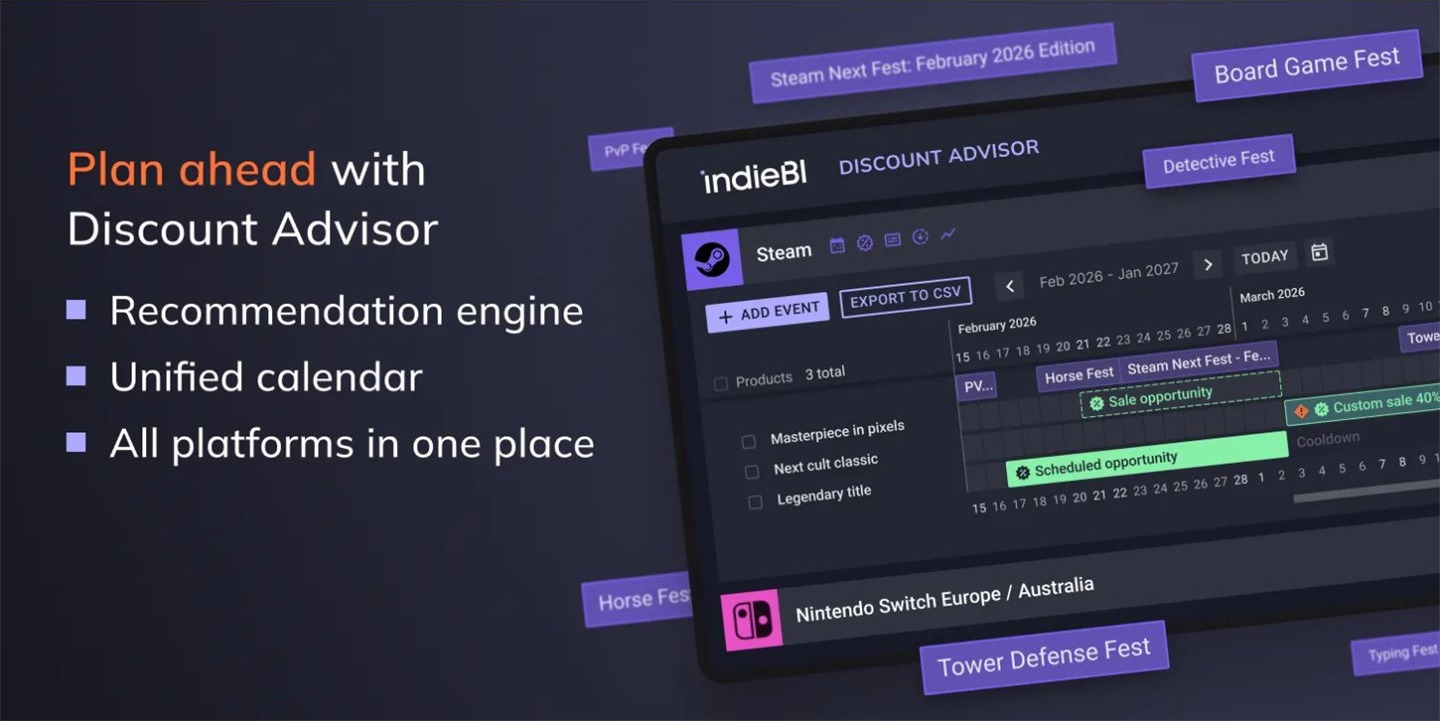
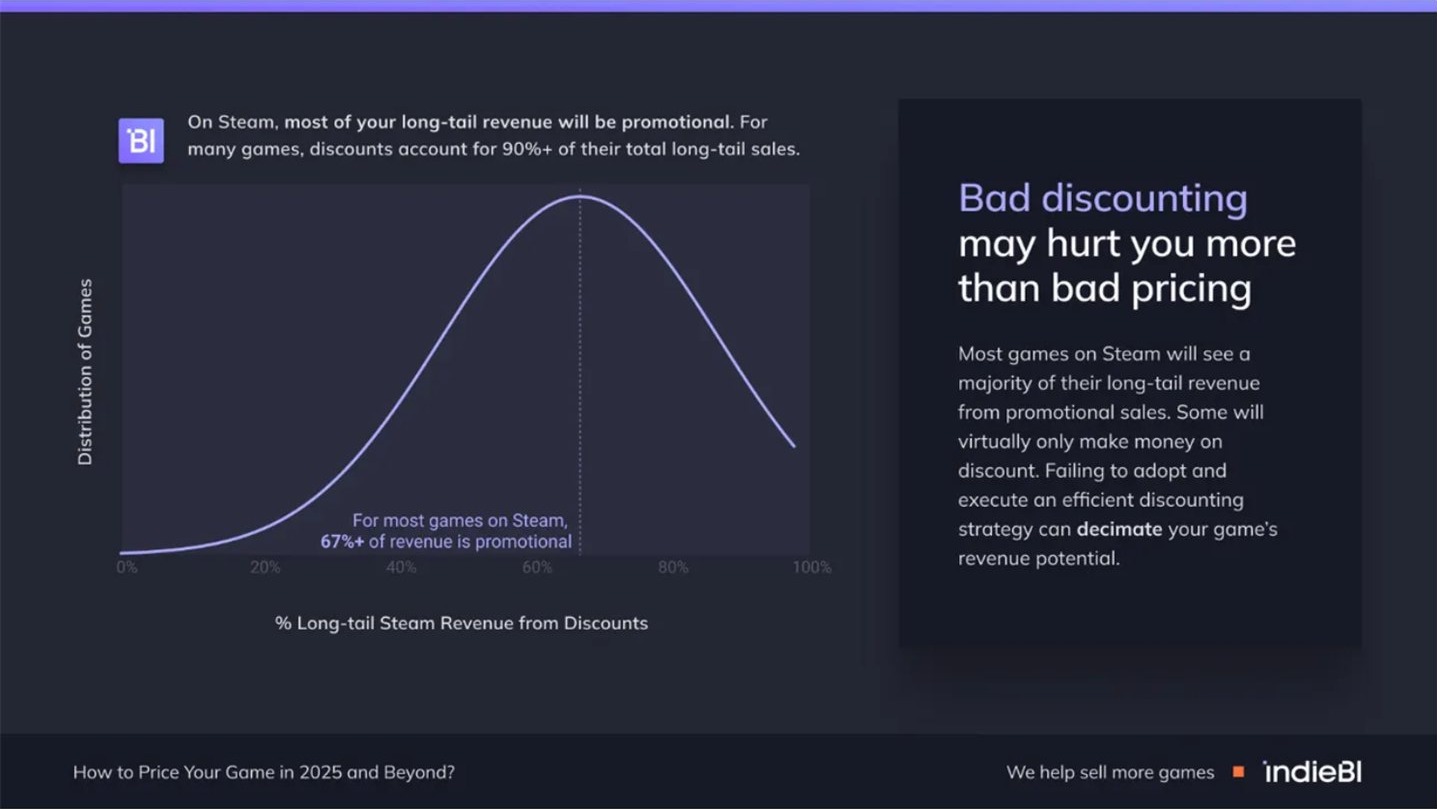
Constant monitoring and discounting: After launch, discounting and price adjustments will become one of the most powerful tools in your toolbox. Platforms reward discounts with extra visibility and customers enjoy purchasing games on sale. For most games, promotional sales will account for 60% or more of their overall lifetime revenue. Obsessively monitor your sales, conversions, and discount performance. Tweak your discounting schedules, depths, and price changes regularly. A well-planned and executed discounting and pricing strategy will be the absolute best thing you can do for your game post-launch.
 (enlarge)
Upsell and ports: A strong content pipeline of updates, DLCs, and ports, supported by an effective pricing and promotional strategy, can often multiply your game’s lifetime revenue potential. Even very late ports, shipped years after the original release, can often multiply a game’s long-tail revenue.
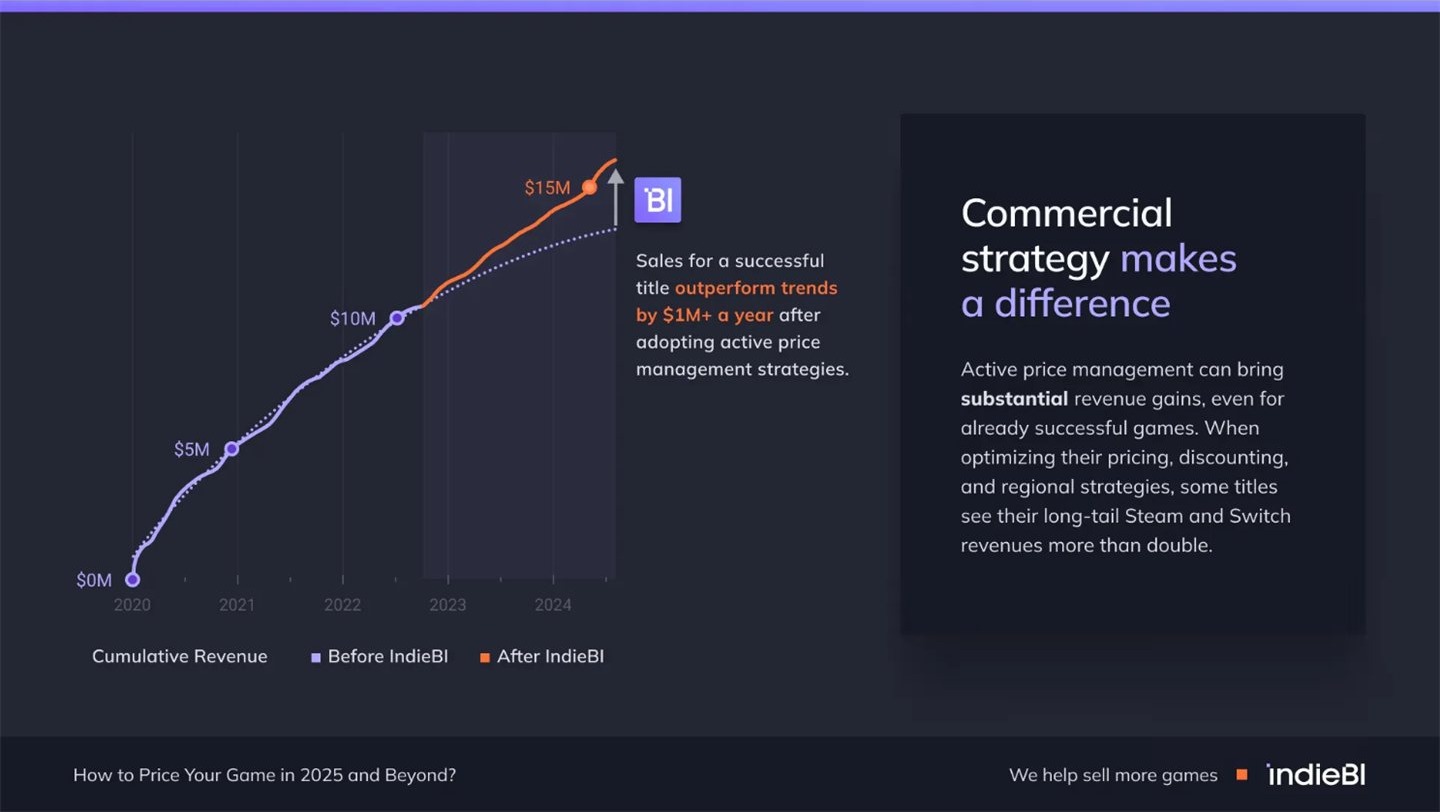
The nuance of your work in revenue optimization may very well be the defining factor for your team’s financial health even years after your initial release. Be a little obsessive, keep track of how you’re doing, and never stop improving. Between a solid commercial strategy and a robust porting and content roadmap, you can triple your game’s lifetime revenue potential.
Conclusion: it’s not just about pricing
Shipping a great game at a fair price is just table stakes nowadays.
To truly succeed in the competitive market, you need a cohesive strategy that combines a compelling store presence, intelligent pricing over time, and a commitment to continuous monitoring and agile adjustments. This holistic mindset will unlock your game’s full revenue potential, ensuring the hard work you put into making an outstanding game pays off.
To dive deeper into this topic, click here for the full article.
Originally published on Game Developer.

 Aleksander Grzelka